

Lawn Fungicide
Elite Turf Management LLC offers professional lawn fungicide treatments in South Jersey to control and prevent damaging turf diseases. We help you manage grass fungus issues like brown patch and dollar spot, restoring the health and appearance of your South Jersey lawn with targeted, effective lawn fungicide applications.
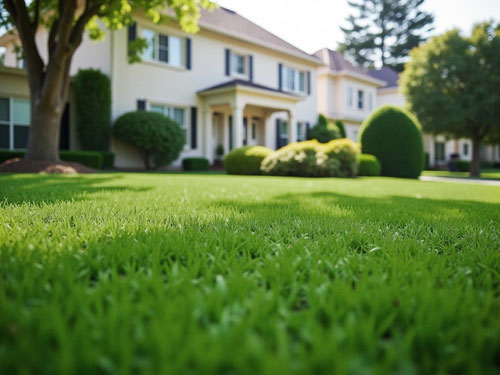
Our Weed Control and Lawn Fertilizating program boosts the microbial activity and beneficial bacteria in the soil. With a strong, diverse soil ecosystem, your South Jersey lawn can naturally resist fungus. So we avoid using fungicides for lawns enrolled in this program because they would kill the microbes supplied through our soil prebiotic.
Why Lawn Fungus Occurs
Fungi live everywhere in soil. They're always present. Problems start when conditions shift in their favor.
Prolonged moisture is the biggest culprit when it comes to lawn fungus in South Jersey. Heavy rainfall, excessive irrigation, poor drainage, or even morning dew that lingers too long creates the perfect breeding ground for fungal outbreaks in the grass of your South Jersey property.
Temperature swings stress your grass and weaken its natural defenses.
Compacted soil restricts oxygen flow to roots. Thick thatch layers trap moisture against grass blades. When your lawn can't breathe properly and stays wet for extended periods, fungal spores multiply rapidly.
We see these issues frequently in South Jersey, especially during humid summer months and wet spring seasons. Your grass becomes vulnerable when environmental factors stack up against it.
Common Lawn Fungi in South Jersey
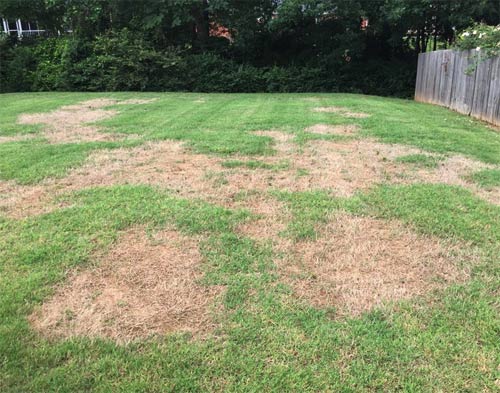
There are several types of common lawn fungi prevalent in South Jersey that can wreak havoc on your lawn. Knowing their distinct signs can help identify the problem early. If you spot any of these signs, it's a strong indication that your turf is battling a fungal invader and may need a lawn fungicide application.
Brown Patch
Brown patch shows up quickly on South Jersey lawns during warm, humid weather, forming brown or tan circles with a darker ring. It thrives on overnight moisture, so overwatering and poor airflow make it worse. Damage can range from grass thinning to dead patches. Fungicides stop the spread, but dead areas may need time or overseeding to fill in.
Dollar Spot
Dollar spot forms small tan patches that can merge into larger areas of your South Jersey lawn. Grass blades develop bleached lesions with reddish-brown edges. Low nitrogen, dry soil, and stress make lawns more vulnerable. Proper watering, steady fertilization, and timely fungicide help stop it and encourage recovery.
Red Thread
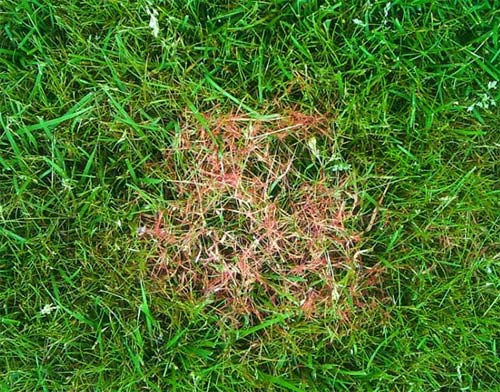
Red thread shows thin reddish or pink strands on blade tips, giving South Jersey lawns a tinted look. It's mainly caused by low nitrogen. Affected grass may look dull and thin out. Proper feeding and better airflow can clear it, while fungicides help with persistent cases.
Leaf Spot ("Melting Out")
Leaf spot begins as dark lesions on blades and can lead to thinning or collapse of the turf as it progresses. When it reaches the crown, "melting out" can cause major grass loss. Balanced nutrients, careful mowing, and well-timed fungicide keep it under control.
Snow Mold (Gray or Pink)
Snow mold appears in spring as matted gray or pink patches on your lawn after snow cover. Pink snow mold can kill grass; gray is usually cosmetic. Affected South Jersey lawns may green up slowly and show thinning. Light raking helps recovery, and severe cases may need a fall fungicide.
When Lawn Fungicide Is Needed In South Jersey
A lawn fungicide is needed the moment you notice the symptoms of a fungal disease on your South Jersey lawn. The earlier the treatment, the better the outcome. Fungi can spread quickly, and what starts as a small spot can soon become a widespread problem that impacts large sections of your property. If you've had fungal problems in previous years, your lawn is likely susceptible to future outbreaks. In these cases, a lawn fungicide is not just a reactive measure but a protective one. It's about getting ahead of the disease before it has a chance to cause visible damage to your South Jersey lawn.
The Difference Between Preventive and Curative Lawn Fungicides for Your South Jersey Lawn
There are two different strategies we use with our South Jersey lawn fungicide treatments: preventive and curative. We select formulations based on the history of your South Jersey property's turf, current conditions, and any identified diseases.
A preventive lawn fungicide is applied before any signs of disease appear. It forms a protective barrier on the grass, stopping fungal spores from germinating and infecting the plant. This is the preferred method for properties in South Jersey with a history of fungal disease or for anyone wanting to maintain a consistently healthy lawn through the stressful summer months.
A curative lawn fungicide, on the other hand, is applied after the disease is already active. It kills existing fungi and halts disease progression. Its job is to stop the fungus from spreading further and to protect new, healthy grass growth. While effective at halting the disease, it can't reverse the damage that has already been done.
At Elite Turf Management, we generally do 2 applications of curative lawn fungicide 2 weeks apart, and 1 application every 4 weeks of preventative fungicide.
Why Professional Grade Lawn Fungicides Are Better Than Consumer Fungicides
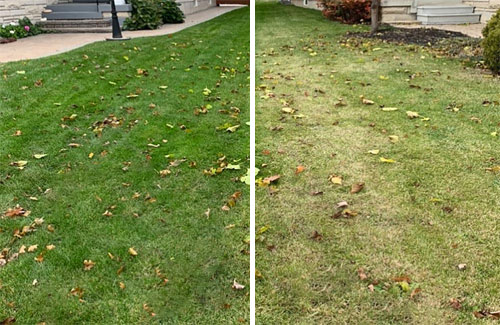
The lawn fungicide products available to homeowners at big-box stores are very different from the professional-grade fungicides we use on South Jersey lawns at Elite Turf Management.
Consumer-grade fungicides are typically diluted and have a more limited mode of action. They might offer some temporary suppression, but they often fail to provide long-lasting control.
Professional-grade lawn fungicide products, which are not available to consumers, are more potent and are formulated with advanced chemistry that offers broader disease coverage, longer residual protection, and deeper penetration.
At Elite Turf Management, our professional lawn fungicide treatments in South Jersey provide steady, noticeable results because we use stronger, targeted products and apply them correctly. We also have the training and experience to know which fungicides work best for each disease, how much fungicide your lawn needs, and the right timing so the treatment does its job.
How Aeration, Dethatching, and Better Watering Habits Help Fungicide Work on Your South Jersey Grass
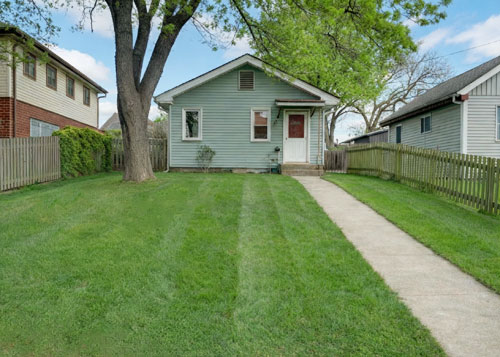
A lawn fungicide is a powerful tool, but its effectiveness is amplified when combined with good lawn care practices.
Aeration, the process of pulling small plugs of soil from the lawn, relieves soil compaction. This improves air circulation, water drainage, and nutrient uptake in the root zone, creating an environment less friendly to fungi.
Dethatching removes the thick layer of dead grass and organic matter that can trap moisture against the soil surface. Reducing thatch also improves air movement.
Your watering habits also play a huge part. We advise watering your lawn deeply but infrequently, and always in the early morning. This gives the grass blades the entire day to dry out. A dry lawn overnight is one of the best defenses against most fungal diseases in South Jersey, making any lawn fungicide treatment that much more effective.
Contact Us for South Jersey Lawn Fungicide Services
Lawn fungus is a frequent issue for many South Jersey properties, but it doesn't have to ruin your lawn. Through a well-timed lawn fungicide program that uses professional materials and sound application methods, we can help manage active diseases and protect your turf from future outbreaks. If you're concerned about lawn fungus on your South Jersey property, let's talk. Call Elite Turf Management LLC today at 856-404-7764, or email us, to discuss our South Jersey lawn fungicide services.